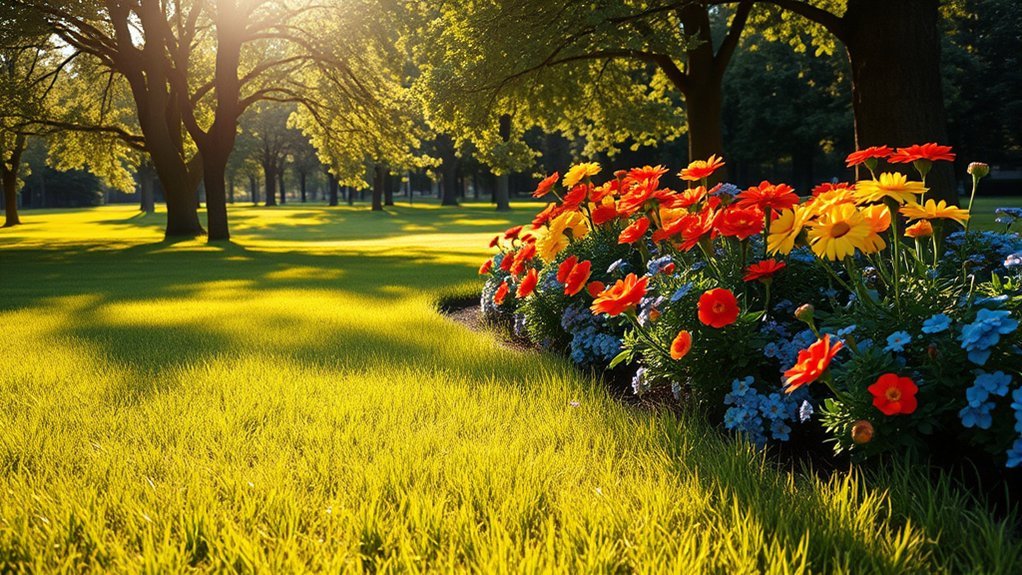
The Neuroscience of Color: Why Your Summer Palette Affects Your Energy
Have you ever wondered why certain colors make you feel more energized or relaxed? It turns out, your summer palette isn’t just about aesthetics — it’s linked to how your brain reacts. Bright yellows and turquoise can lift your mood, while calming blues and greens help you focus. But how conscious are you of choosing colors that support your energy goals? There’s more behind this than you might realize, and understanding it could change how you approach the season.
The Essentials
- Colors influence brain chemistry by triggering subconscious emotional responses based on their symbolic meanings.
- Bright colors like yellow activate the brain’s happiness centers, boosting energy and mood.
- Cool shades like blue promote relaxation by signaling calmness, reducing stress and anxiety.
- Summer hues can alter emotional states, with warm tones increasing motivation and cool tones encouraging rest.
- Conscious selection of colors enhances emotional well-being by leveraging their psychological and neurological effects.
How Colors Influence Brain Chemistry and Mood
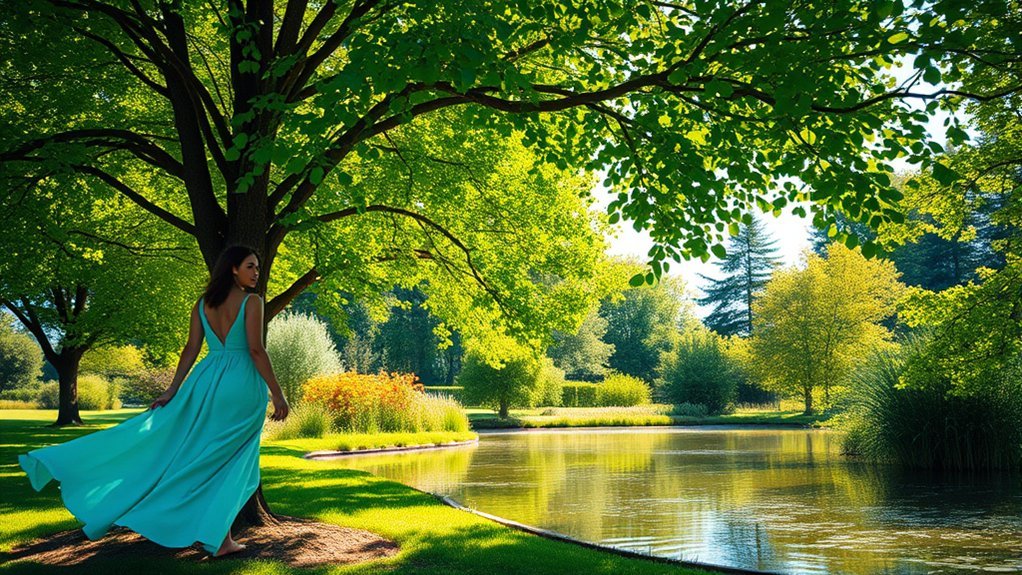
Colors do more than just make a room look nice. They directly influence your brain chemistry and mood by shaping your color perception. When you see a bright yellow, your brain picks up on its cheerful symbolism, lighting up nerves that boost happiness. Blue, on the other hand, can relax you because of its calming hue and peaceful symbolism. Your brain organizes these signals, affecting your emotional state without you even realizing it. Sometimes, you might notice how a color makes you feel—like feeling more energized or more relaxed. It’s not just about preference, but about how your brain interprets color cues based on their symbolism. Ever wonder why certain colors seem to lift your mood while others drain it? Your brain’s response might surprise you.
The Psychological Impact of Summer Hues
Summer hues have a way of shifting how we feel without us really noticing at first. Your color perception can influence your mood more than you think. Bright yellows might make you feel optimistic, while soft blues could bring calmness. Emotional associations play a big role too—red can energize, but also cause slight stress if overdone.
Here’s what you might notice with summer colors:
- Feeling more motivated or lively when you wear or see warm tones
- Finding cool shades relaxing or even a bit subdued
- Suddenly craving sunshiney oranges or lively greens
Have you ever caught yourself feeling better in specific shades? Or avoided certain colors because they made you uneasy? Our reactions aren’t random, they’re wired into how we perceive and emotionally connect with color.
Selecting Your Perfect Summer Palette for Optimal Energy
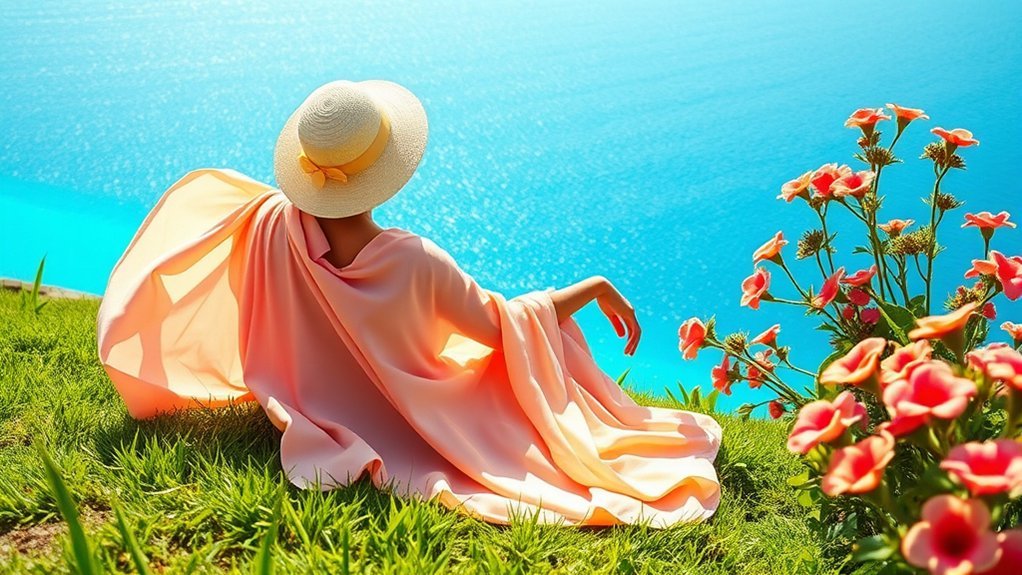
Ever wonder how to choose the right shades that actually boost your energy? Picking a summer palette isn’t just about looking good. It’s about color selection that works with your space and mood, giving you an energy boost when you need it most. Bright yellows and crisp turquoise can lift your spirits, but do they suit your skin tone or vibe? Think about what feels natural and inspiring for you. Sometimes, it’s not just about the brightest hues but those that make you feel alert without overwhelming. Do you tend to feel sluggish in certain shades? Experiment with small pieces first—maybe a scarf or pillow—see how they impact your mood. Your perfect summer palette might be simpler than you think. Just ask yourself: what colors make me feel energized?
Practical Tips for Using Color to Boost Well-Being
Choosing the right colors to boost your well-being isn’t just about picking pretty shades. It’s about using color therapy and understanding emotional associations. You can influence your mood by what you surround yourself with daily.
Try these tips:
- Use calming blues or greens in your space if you want to stay relaxed and focused.
- Add energizing yellows or oranges in areas where you need motivation or positivity.
- Incorporate soft pastel shades for moments when you need gentle comfort or stress relief.
Ask yourself, what feelings do I want to encourage today? How do certain colors make me feel? By consciously choosing colors based on emotional associations, you might feel a little more in control of your energy—and maybe a bit happier, too. Sometimes, it’s about making small changes that matter.
Frequently Asked Questions
Can Specific Colors Improve Concentration and Memory During Summer Activities?
Undoubtedly, you can boost your cognitive performance during summer by choosing colors informed by color psychology. Bright, saturated hues like blue and green may enhance memory and concentration, making your activities more productive.
Do Color Preferences Change With Age or Cultural Background?
You might notice your color preferences change as you age or with cultural influences. This evolution reflects shifting tastes and cultural significance, shaping how you perceive colors and their impact on your feelings and choices over time.
How Does Lighting Quality Affect the Perception of Summer Colors?
Lighting effects greatly influence your color perception by altering how summer colors appear, making them seem brighter or more subdued. When lighting is ideal, your perception of summer hues enhances, boosting your visual appeal and energy levels naturally.
Are There Any Risks Associated With Using Certain Bright Colors Excessively?
Excessive use of bright colors can lead to sensory overload, impacting your attention span and causing mood swings. Be mindful of color psychology, as too many vivid hues might trigger visual fatigue and emotional responses that overwhelm you.
Can Clothing or Interior Color Choices Influence Long-Term Mental Health?
Your clothing and interior color choices, guided by color psychology, can influence mood and mental health over time. You can boost positivity and reduce stress by intentionally selecting colors that promote well-being and support your emotional balance.
Final Thoughts
So, really, paying attention to the colors around you can actually make a difference. Picking brighter yellows or turquoise might boost your mood when you’re feeling off, while calming blues or greens could help you focus. It’s not about changing your whole wardrobe or decor, but a little awareness can go a long way. Do you notice how certain colors affect your energy? Maybe try using color as a simple tool to feel more balanced.